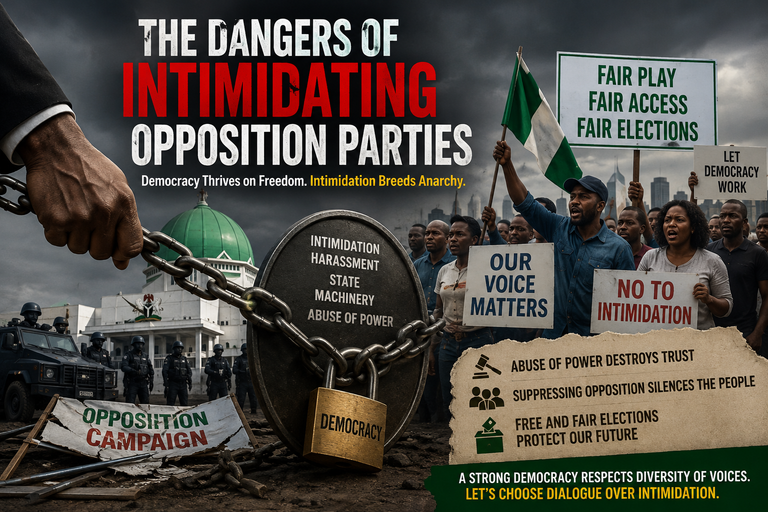
It was John Stuart Mill who argued that a society is only as free as its ability to speak, dissent, and be wrong in public. For Mill, silencing an opinion was tantamount to “robbing the human race.” A state that cannot tolerate criticism, he warned, is not protecting order; it is protecting itself from scrutiny.
There have been arguments that the Civic Space under the current administration has enjoyed more freedom than in previous administrations. It is a school of thought I find quite concerning, given the rising spate of public speech suppression in the last couple of years.
Going by the Wole Soyinka Centre for Investigative Journalism’s 2026 report, “Silenced Voices, Shrinking Space: Civic freedoms under pressure” one cannot but aver that Nigeria in the last few years seems like a case study in exactly the kind of society Mill feared.
The WSCIJ report documented 245 verified incidents of civic space violations in 2025 alone, drawn from 570 media reports published by 54 organisations. These violations were carried out by non other than state actors themselves.
For context, the Nigeria Police Force alone accounted for 118 incidents, which is more than half of all state-linked cases in the report. Of the violations under study, freedom of expression was the most frequently trampled, showing up in 172 of the 245 incidents. It is a ratio of 7:10.
According to the report, while journalists bore the brunt of repression in 2024, ordinary citizens overtook them as the primary target. Of these, nearly six in ten incidents (59.2%) were non-violent, including arrests, detentions, legal harassment, and regulatory sanctions. The remaining 40.8% were violent assaults, raids, intimidation, and sixteen documented deaths.
It is not surprising that Abuja and Lagos, which are the centres of governance and commerce, recorded the highest concentrations of these human rights violations. This suggests that visibility itself has become a liability in today’s Nigeria.
In an earlier article, I had written that we had gradually slid back into the Hobbesian State of Nature. Hobbes believed citizens surrendered their natural liberties to a sovereign in exchange for security and order – the social contract.
But what happens when the sovereign turns the machinery meant to protect the citizen into the very instrument used against them? When the police, become the leading perpetrators of disorder against the governed? A state that polices the opinions of her citizens more zealously than it polices insecurity has not upheld her end of any contract.
The WSCIJ report does not make accusations. It simply documents facts, and statistics do not lie. Nigeria does not lack for evidence of what ails it. What it lacks is the political will to take responsibility. So one returns, again, to the old questions: if a democracy cannot absorb criticism without reaching for arrest, is it still a democracy?
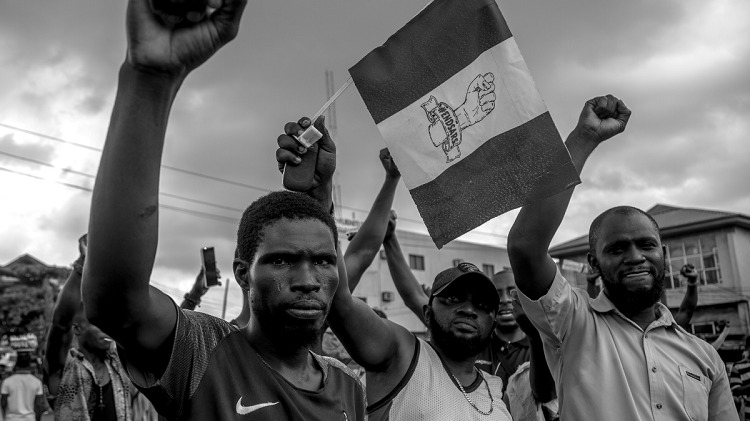
If citizens are punished for acts that prove democratic participation; protest, assembly, expression, what then did they consent to by being citizens of a democratic country? Mill thought silence was theft. But Nigeria’s civic space report suggests that theft is fast becoming policy.
© Oselumhense Anetor, 2026
#fadakaymedia
About the Author