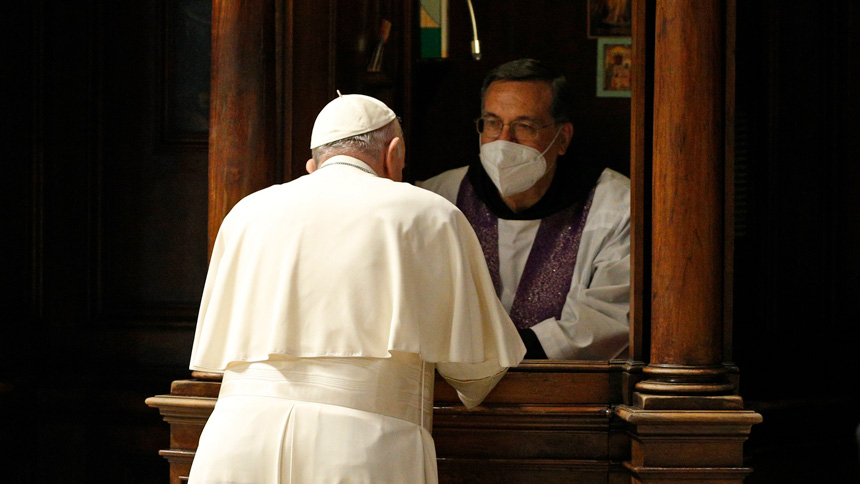
Few things generate as much quiet anxiety among Catholics, cradle Catholics included, as walking into a confessional after a long absence. If you’re searching “how to go to confession” because it’s been months, years, or you were never quite taught properly the first time, this is for you. There’s no formula so sacred that a good priest won’t gently guide you through it if you forget a step.
Step 1: You don’t need a perfect list, just an honest one
Many people delay confession because they feel they need a flawless, theologically precise account of every sin since their last confession. You don’t. A sincere, honest accounting, even a rough one, is what the sacrament asks for. If it’s been years, you can simply say that at the start: “Father, it’s been some years since my last confession.” It doesn’t matter if you cannot precisely recall the number of years.
Step 2: The basic structure
– Enter the confessional or reconciliation room and make the Sign of the Cross.
– Say: “Bless me, Father, for I have sinned. It has been [mention how long since the last time] since my last confession.”
– Confess your sins as clearly and honestly as you can — the priest may ask gentle clarifying questions.
– Listen to the priest’s counsel; this part is often the most valuable and least anticipated.
– Receive your penance (a prayer or action).
– Make an Act of Contrition (the priest can help if you don’t remember the words). The simple one usually is “O my God, because you are so good, I am very sorry that I have sinned against you, by the help of your grace, I will not sin again.” Other lengthier forms can also be said.
– Receive absolution.
Step 3: What if you’re nervous about judgment?
Priests hear the same handful of human struggles repeated constantly: pride, lust, anger, dishonesty, neglect of prayer. There is very little a priest hasn’t heard before. Their role in that moment is not to be shocked but to represent Christ’s mercy; most priests will tell you the overwhelming feeling in the confessional is relief, not condemnation, on both sides of the screen.
Step 4: Returning after a long absence — what actually happens
If it’s been years, simply say so plainly. No priest will refuse you or make you feel unwelcome for the gap; many describe this exact moment, someone returning after a long absence, as one of the most moving moments of their ministry. You are not required to explain or justify the years away before being heard. If the priest asks why, be honest. This will help him tailor his counsel to your particular situation.
Step 5: What confession is not
It is not a performance of guilt, nor a transaction where enough penance “earns” forgiveness. It’s an encounter with mercy that happens to require honesty as its doorway. The relief many people describe afterward isn’t just psychological; it’s the sacramental grace of a real, restored relationship with God.
If you’re also curious about the wider rhythm of sacraments and Church practice, our post on “Understanding the Sacrament of Confession and God’s Mercy” is a good companion piece for better understanding.
Whatever has kept you away, be it embarrassment, busyness, doubt, or simply drifting… the door of the confessional is built for exactly the situation you’re in right now. There is no “too far gone,” and there is no gap too long to walk back from.
About the Author