
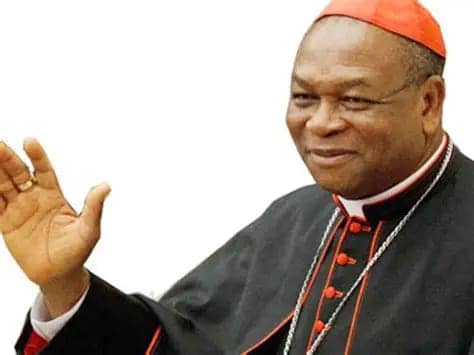
Archbishop Emeritus of the Catholic Archdiocese of Abuja, Cardinal John Onaiyekan, has revealed that President Bola Tinubu rejected the concerns raised by the Catholic Bishops’ Conference of Nigeria (CBCN) during their recent meeting at the State House, Abuja.
Speaking during an interview on Arise Television’s Prime Time, Cardinal Onaiyekan said the bishops had a responsibility to present the realities facing Nigerians, despite the possibility that their message might not be welcomed.
According to the cleric, the bishops painted a picture of a nation struggling with insecurity, economic hardship, and social challenges, which they believed was different from the optimistic reports often presented to the president by those around him.
“Nigeria is bleeding. We have the obligation to help him appreciate the reality of the situation in which we find ourselves,” Onaiyekan stated.
He explained that the president’s reaction during the meeting was not unexpected, noting that the concerns raised by the bishops contrasted with the positive assessments President Tinubu had publicly shared about the state of the economy and other national issues.
The cardinal expressed worry that leaders may sometimes be surrounded by individuals who present only favourable narratives, preventing them from fully understanding the struggles of ordinary citizens.
“We knew that this is different from the kind of statements that our president keeps receiving from all kinds of people,” he said, emphasizing that the church’s role is to speak truthfully and advocate for the welfare of the people.
The meeting between President Tinubu and the Catholic bishops had earlier attracted public attention after the president highlighted progress in the economy and described institutions such as the Independent National Electoral Commission (INEC) as being neutral.
However, Cardinal Onaiyekan maintained that the church’s intervention was not intended as political opposition but as a moral responsibility to draw attention to the challenges confronting Nigerians.
The former Archbishop of Abuja has consistently advocated for good governance, justice, and peaceful dialogue, urging political leaders to remain connected with the realities experienced by citizens across the country.
As Nigeria continues to navigate economic reforms and security concerns, the exchange between the Catholic leadership and the presidency has renewed discussions about the role of religious leaders in holding governments accountable.
About the Author



We thank our dear Cardinal for his courage.