Let me say something many Obidients will probably hate me for saying:
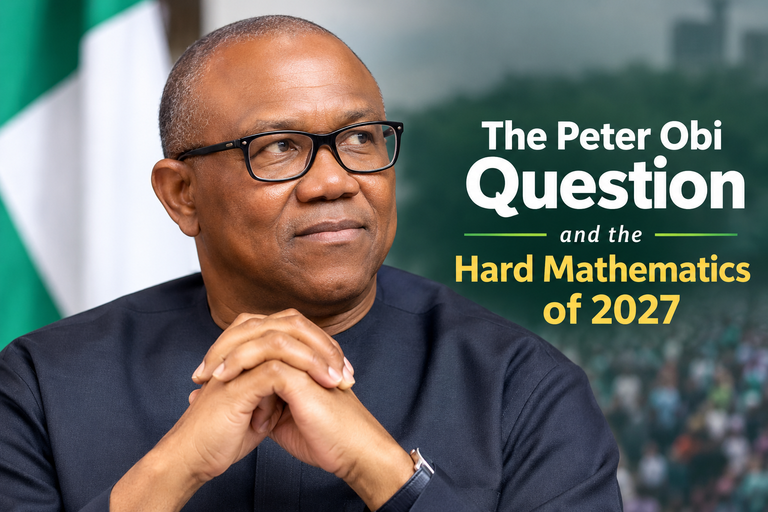
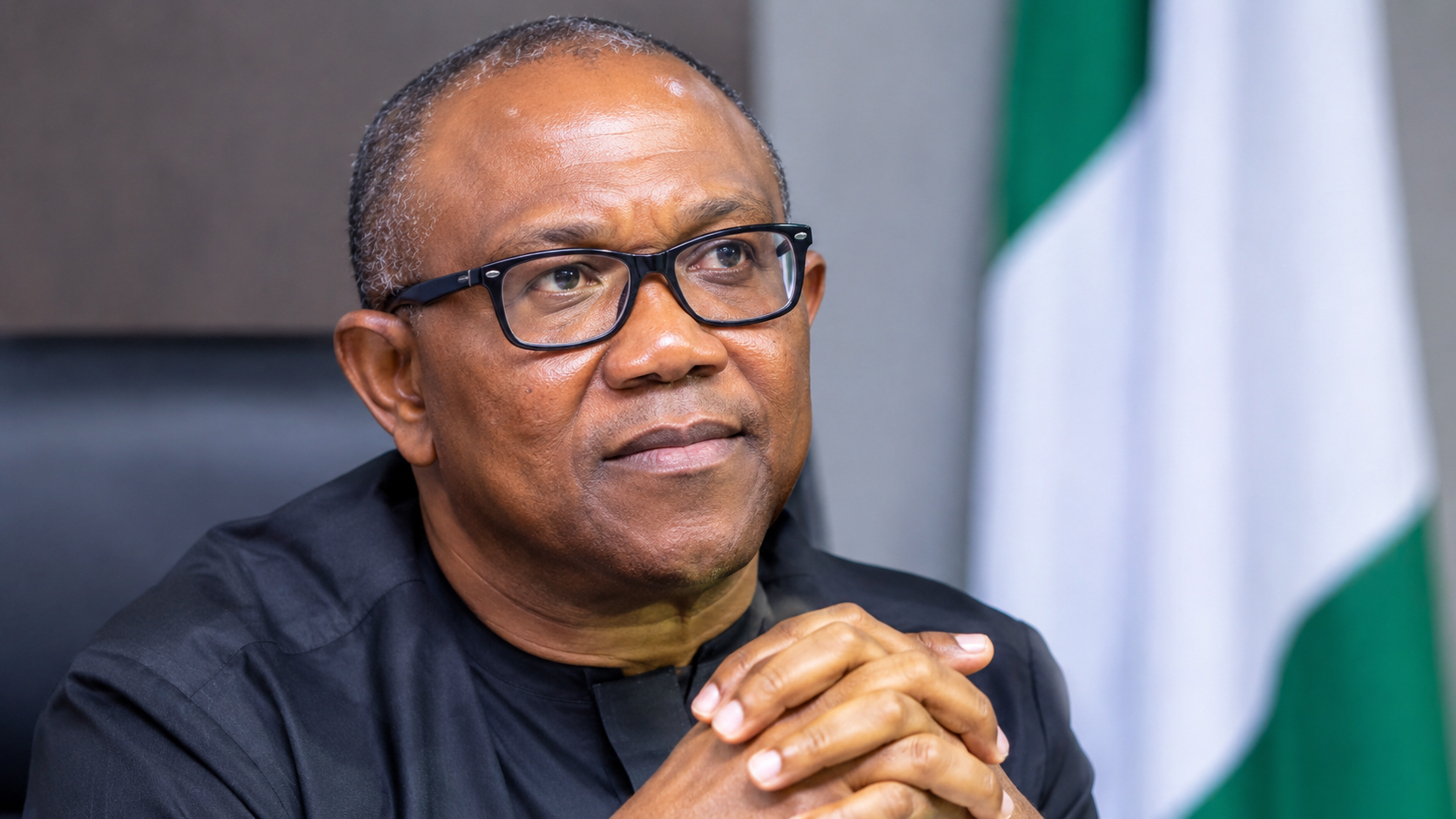
Peter Obi may be a good man—but I am no longer convinced that being a good man is enough to defeat the political machine waiting for him in 2027.
There. I said it.
And before anyone starts calling me an enemy of Peter Obi, hear me out.
I am not questioning his integrity. I am questioning his political capacity.
Because if a man wants to become President of Nigeria, we cannot judge him only by the goodness of his heart. We must also ask whether he has the political strength, strategic intelligence, alliances, structure and resilience to survive the kind of battle that comes with the Nigerian presidency.
This is where the Peter Obi conversation becomes uncomfortable.
If today’s political obstacles can prevent him from accomplishing a mission in a state, what happens when he faces the full weight of a sitting president and the machinery of an established political establishment?
Will he fight? Will he negotiate? Will he outsmart them? Will he build a stronger structure? Or will Nigerians once again be told that Peter Obi is simply being persecuted because he is different?
That is not an insult.
That is a legitimate political question.
And frankly, Obidients should be asking it more loudly than anyone else.
Because cheering Peter Obi on social media is easy.
Winning Nigeria is not.
The presidency will not be handed to him because Nigerians believe he is a good man. It will be won through votes, organisation, alliances, strategy, resilience and the ability to withstand—and overcome—political pressure.
So perhaps the question we should be asking in 2026 is not simply:
“Is Peter Obi the right man for Nigeria?”
Perhaps the harder question is:
“Is Peter Obi politically strong enough to become the right man for Nigeria?”
That is the debate I want us to have.
Read more here
About the Author