Sixty-six years after the Union Jack came down, one question refuses to disappear: Are we truly independent, or did colonialism simply change its clothes?
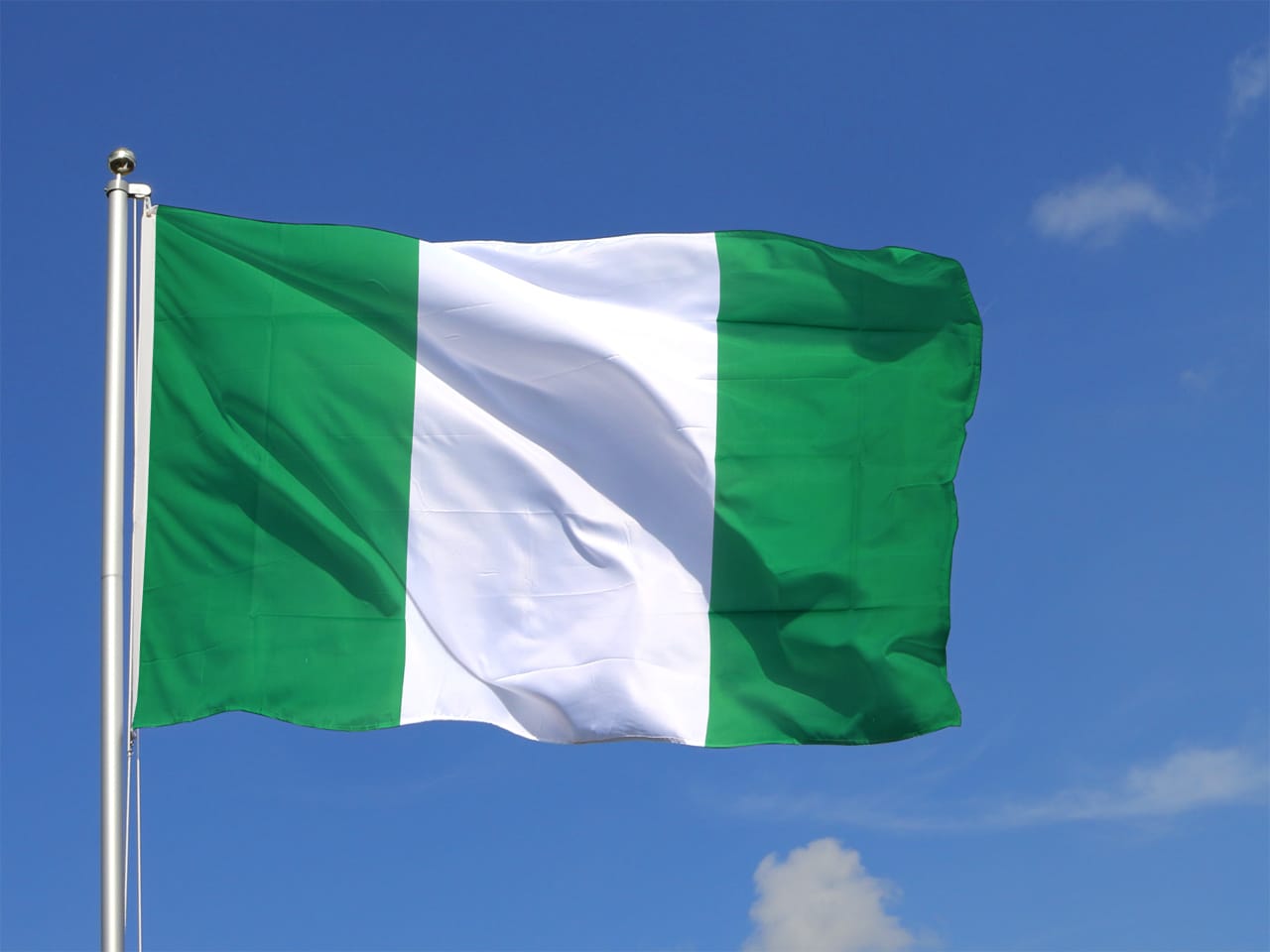
On October 1, 1960, Nigeria stepped into history as an independent nation. The flag changed. The anthem changed. British colonial rule officially ended.
But independence was never supposed to be merely about who sits in the government house.
It was supposed to mean freedom to determine our destiny.
Today, at 66, that question deserves another look.
What does independence mean when millions of Nigerians still struggle to afford basic necessities? What does sovereignty mean when our economy remains heavily dependent on foreign capital, imported technology, external markets and global economic decisions?
And perhaps the most uncomfortable question is this:
Have we mastered the freedom we fought to obtain?
Nigeria is blessed with oil, gas, fertile land, minerals, a huge population, talented young people and enormous creative energy. Yet we continue to import products that could be manufactured locally and export raw materials that could generate far greater value if processed at home.
This is where the meaning of independence becomes deeper than flags and ceremonies.
A country may have political sovereignty but still face serious economic dependence.
A nation may write its own laws but remain vulnerable to decisions made in distant financial markets.
A people may elect their leaders but still struggle to build institutions strong enough to outlive individual politicians.
There is another dimension.
Independence is also a state of mind.
When we abandon local production because foreign products appear superior, when corruption becomes normalised, when public property is treated as nobody’s property, and when citizens demand accountability only when it benefits their political camp, we weaken the very independence we celebrate.
But Nigeria’s story is not only about failure.
From technology and entertainment to agriculture, entrepreneurship, science, sports and the creative industries, Nigerians continue to demonstrate remarkable resilience.
The question is whether that energy can be transformed into stronger institutions, productive industries, quality education, reliable infrastructure and an economy capable of creating opportunities at scale.
At 66, perhaps Nigeria does not need another Independence Day speech filled with beautiful promises.
Perhaps we need an honest national conversation.
What does independence mean in the Nigeria of today?
Is it enough that the British left?
Or must independence also mean economic freedom, institutional strength, technological capacity, responsible leadership and citizens who understand that nation-building is not the exclusive responsibility of government?
October 1 should therefore be more than a celebration.
It should be a mirror.
Because the real test of independence is not whether another country controls our flag.
It is whether we have acquired the capacity, discipline and courage to control our own destiny.
Nigeria is 66.
The celebration is ours.
So is the responsibility.
Happy Independence Day, Nigeria.
66 YEARS OF FREEDOM — NOW LET THE FREEDOM WORK.
About The Author