Everybody has an opinion on when you should marry. Your aunty thinks it’s the moment you clock 28. Your friends think it’s the moment the ring appears. Instagram thinks it’s the moment the proposal video gets enough likes. But none of these are actually signs of readiness — they’re just signs of pressure.
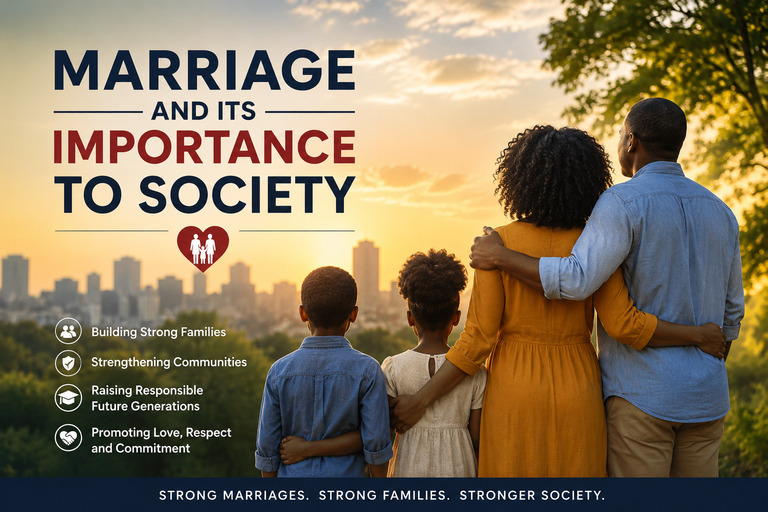
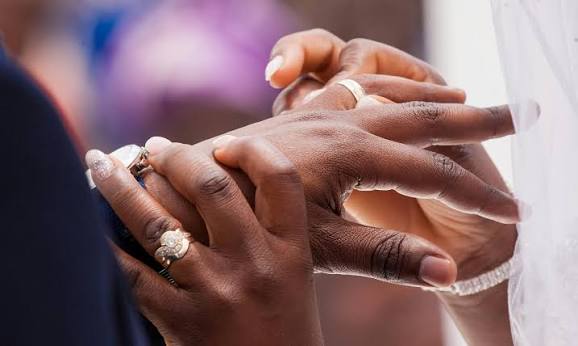
Marriage, as the Church understands it, is not a finish line you cross when the timing “looks right.” It’s a vocation — a calling you grow into. So instead of asking “when should I marry,” a more useful question is: “what does readiness actually look like?” Is it about age, money, career goals. etc.? Here are five signs worth paying attention to.
1. You can disagree without disappearing.
Every couple argues. The question is not whether conflict happens but what happens after it. Are you able to sit with tension, say the hard thing kindly, and still be present the next morning? Readiness isn’t the absence of friction; it’s the presence of the skill to repair after it. If I get into a heated argument with my spouse, am I emotionally mature enough to handle it?
2. Your faith is a shared language, not a private hobby.
You don’t need to have matching devotionals or identical prayer styles. But if faith is something you practice alongside your partner rather than around them — praying together occasionally, discussing what a homily meant to you, being able to say “I struggled with my faith this week” out loud — that’s a foundation many couples build only after the wedding, at a cost. Building it before saves you both grief later. so rather than meet five times a week to discuss or do things that do not matter in the long run, why not pay attention to faith buiding?
3. You’ve talked about money, and it wasn’t a disaster.
Nothing tests “for richer or poorer” like an actual conversation about salaries, debt, and who pays for what. If you’ve had this conversation calmly, you’re further along than you think. If the topic still makes you want to change the subject, that’s useful information too — not a red flag, just homework. It means that your potential partner still needs to get some things right. After the third or fourth date, depending on what seems comfortable for you, it just might be time to begin discussing your finances. Yes, you are not married yet, but still find out what your partner does, and how that pans out in your own plans for the future.
4. You want a witness to your life, not an audience for your highlight reel.
Social media has quietly taught many of us to curate rather than reveal. Marriage readiness shows up as a willingness to be known — including the parts of you that are unfinished, insecure, or still healing — rather than just admired. Are you able to be vulnerable with him/her? Or does it always seem like you are walking on eggshells? Start being real even in that relationship. Encourage your partner to be real too, otherwise, you are not ready for the big commitment just yet.
5. You’ve asked “why him/her,” not just “why not.”
“He’s not a bad guy” and “she ticks the boxes” are not the same as “I choose this person, specifically, for who they are.” Readiness includes the ability to name — clearly, without prompting — what you actually love about your partner’s character, not just their compatibility with your checklist. Chiseled abs, narrow waists, big busts, and sex appeal will not solve life’s problems.
These five signs are not about being perfect. Nobody walks down the aisle fully “ready” in some absolute sense, since marriage itself finishes the formation the courtship started. But these five signs distinguish readiness to grow together from readiness to escape singleness, and that distinction matters more than any age, salary, or wedding-planning milestone.
If you’re in the “talking stage” and wondering whether it’s leading anywhere real, it might help to read our reflection on [the talking-stage trap] first.
God bless you!
About the Author