Osun’s 2026 governorship election has delivered more than a second term for Ademola Adeleke; it has produced a political warning that Nigeria’s major parties cannot afford to ignore.
Adeleke’s 511,067 votes against Bola Oyebamiji’s 444,815, a margin of 66,252, is significant not simply because it secures the incumbent another four years, but because it was achieved under the banner of the Accord Party. INEC’s declaration confirms the result, with Adeleke winning 19 of the state’s 30 local government areas. This makes the victory both personal and structural. It demonstrates that a popular incumbent can, under certain conditions, build a coalition strong enough to overcome the institutional advantages associated with a nationally dominant party.
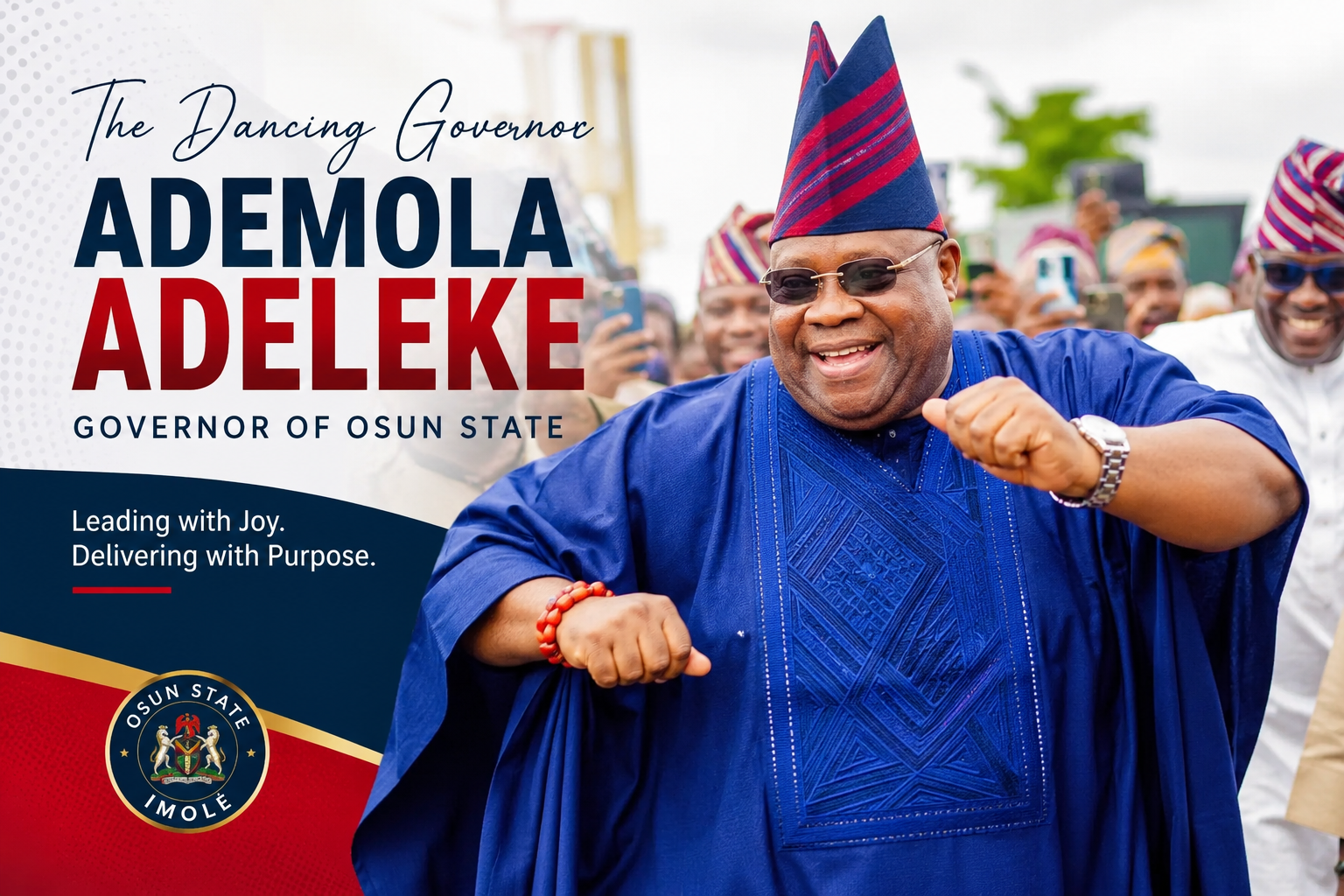
The biggest winner is therefore Adeleke himself. He has converted incumbency, visibility and grassroots mobilisation into electoral renewal. But his victory also comes with a responsibility: voters have now given him a stronger mandate, and the next four years will be judged less by campaign promises than by measurable improvements in jobs, infrastructure, education, healthcare and household welfare.
Accord Party is another major beneficiary. Its emergence as the platform for a winning governorship candidate transforms it from a peripheral player into a party with demonstrable electoral relevance. Yet the party must be careful. Adeleke’s personal popularity and political network were central to this victory. Converting one candidate’s success into durable party organisation will require stronger structures, credible internal democracy and a wider political identity.
Davido also emerges as an important, though unconventional, winner. His youth mobilisation and digital visibility show how celebrity influence can intersect with modern electoral politics. But the larger lesson is that social media energy can amplify a campaign; it cannot substitute for credible governance or organised grassroots politics.
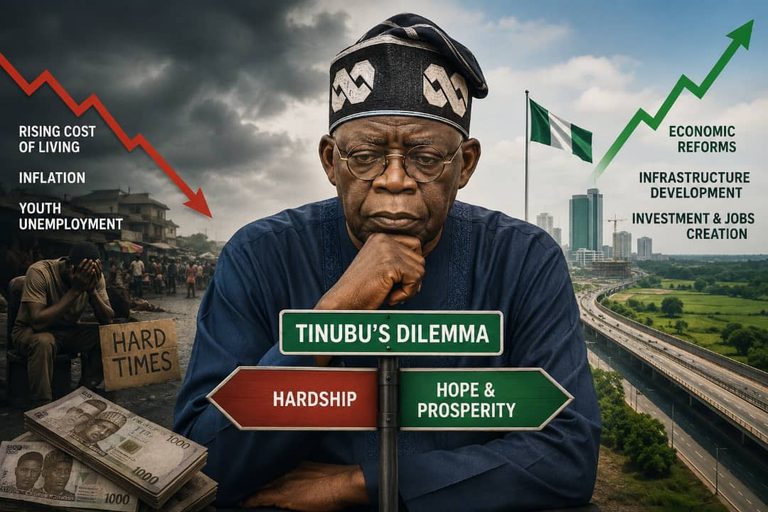
For the APC, the election is a sobering defeat. Its federal control and political machinery did not translate into victory in Osun. Oyebamiji’s performance was substantial, but insufficient. The party must now examine whether its campaign connected convincingly with voters or relied too heavily on national political leverage.
The broader loser may be the assumption that Nigeria’s electoral outcomes are determined mainly by party labels and federal power. Osun has shown that local identity, candidate appeal, grassroots organisation and voter sentiment still matter.
The election should also be read as a message ahead of 2027. Political parties will study Osun not merely for who won, but for why voters resisted the expected national alignment. For citizens, however, the question is: will this mandate translate into better livelihoods? If not, the triumph could become tomorrow’s disappointment. Democracy ultimately rewards performance, not celebration, slogans or celebrity.
But the real verdict is yet to come. Election victory is only the beginning. Adeleke has won the ballot; governance will determine whether he wins the lasting confidence of Osun people.
About the Author