When politicians unite, who really benefits: the people or the politicians?
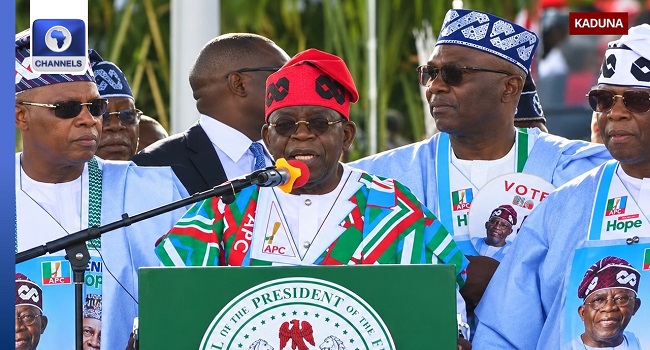
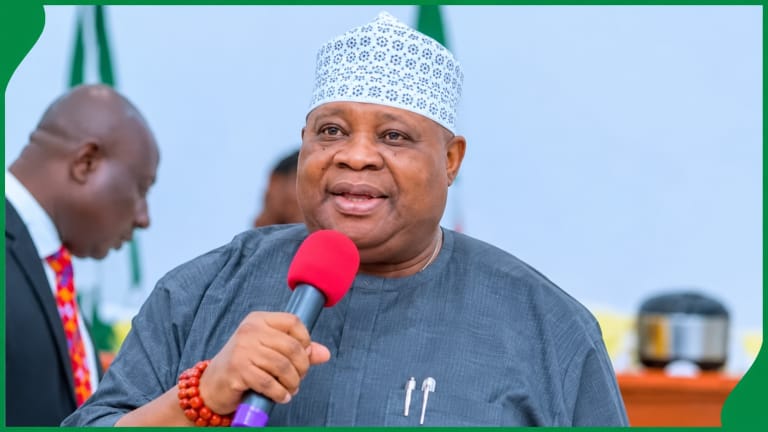
Nigeria’s political landscape is witnessing another interesting development as Osun State Governor Ademola Adeleke renews his invitation to former Governor Gboyega Oyetola and his associates to join the campaign for President Bola Ahmed Tinubu’s re-election in 2027.
On the surface, this appears to be a call for unity. However, it raises a fundamental question: when political rivals suddenly become allies, is the public interest the priority, or are political calculations at work?
WHEN YESTERDAY’S RIVALS BECOME TODAY’S ALLIES
According to Adeleke’s spokesperson, Mallam Olawale Rasheed, the governor contacted several political figures ahead of the inauguration of the Osun State Presidential Campaign Council.
Those reportedly contacted included Oyetola, former APC governorship candidate Bola Oyebamiji, Senator Ajibola Basiru, Chief Bisi Akande, Otunba Iyiola Omisore and Professor Iyiola Adeyeye.
Rasheed explained that the campaign council was constituted nationally and that Adeleke proceeded with its inauguration following directives from Abuja. He also disclosed that another formal invitation was being extended to Oyetola and his associates.
Political cooperation is not inherently wrong. Democracy requires dialogue across political divides. However, when yesterday’s opponents begin working together, citizens have every right to ask what has changed: their principles, policies or political calculations?
The answer should be judged by actions, not assumptions.
ARE THE MASSES PAWNS IN POLITICAL CHESS?
One uncomfortable feature of Nigerian politics is that ordinary citizens are mobilised around political personalities while consequential negotiations often take place among political elites.
During campaigns, supporters passionately defend candidates, sometimes treating political disagreements as personal battles. Yet politicians may later negotiate across party lines and share campaign platforms.
The politician may change camps, but the ordinary supporter is often left defending yesterday’s battle lines.
This does not mean every alliance is motivated by personal gain. Nevertheless, citizens deserve transparency. What agreements accompany these alliances? What policies will they pursue? How will ordinary Nigerians benefit?
Without credible evidence, it would be unfair to assume that such arrangements are driven by personal interests. However, asking questions is part of responsible citizenship.
THE 1.5 MILLION-VOTE TARGET: WHAT DOES IT MEAN FOR THE PEOPLE?
Rasheed disclosed that Adeleke’s administration hopes to mobilise 1.5 million votes for Tinubu in Osun State.
While this demonstrates the campaign’s ambition, voters deserve more than impressive figures and political promises.
How will the campaign address the cost of living, unemployment, insecurity, education, healthcare and infrastructure? What measurable commitments will improve citizens’ lives?
A million promises cannot replace one tangible improvement in people’s living conditions.
Political loyalty must never replace public accountability. Supporters should be free to demand answers without being accused of disloyalty.
BEYOND THE CAMPAIGN COUNCIL
The real measure of political cooperation is not the number of influential names on a campaign council but whether their decisions advance the public interest.
Nigerians must distinguish between a politician’s success and the people’s success. Securing political influence does not automatically translate into public benefits.
Ultimately, the question is not simply whether Adeleke and Oyetola can work together for Tinubu’s re-election. It is whether their cooperation will produce tangible benefits for Osun State and Nigeria.
Politicians are entitled to pursue political interests, but citizens are equally entitled to demand public benefits in return for their trust.
When campaign songs fade and elections end, ordinary Nigerians must live with the consequences of political decisions.
In a democracy, politicians may negotiate the road to power, but public office must remain a platform for serving the people.
About The Author